You’ve shown traits for both the FREEZE and FAWN trauma responses. It’s common for the nervous system to react differently in different situations, yet we usually rely on one primary pattern under stress. After reading through the information below, notice over the coming days or weeks whether you tend to respond with freeze or flight when your nervous system feels overactivated.
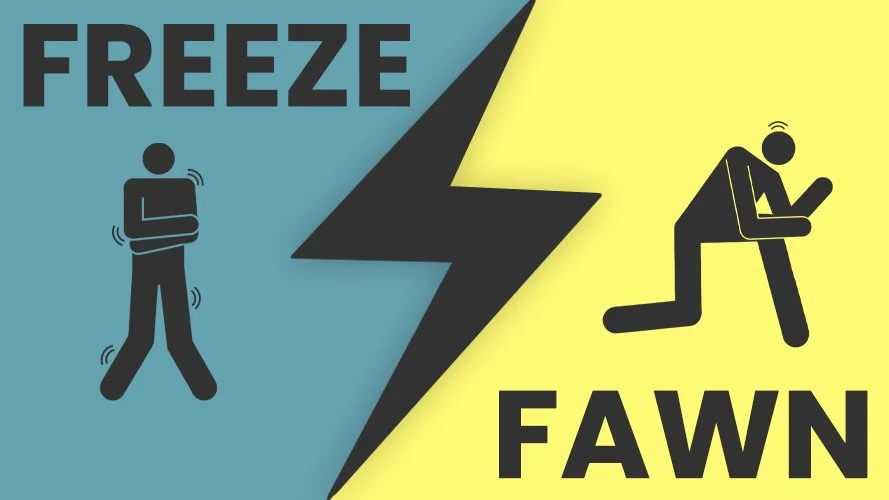
When you’re in “freeze” mode, your nervous system hits the brakes. You might feel stuck, numb, or disconnected, like your body and mind have paused. Deep down, your system believes stillness = survival.
Common symptoms you may experience:
Physical:
• Low energy or chronic fatigue
• Shallow breathing or holding your breath
• Feeling cold or heavy in your body
Mental:
• Brain fog or difficulty concentrating
• Trouble making decisions
Emotional:
• Numbness, emptiness, or disconnection
• Shame for not “doing enough”
Behavioral:
• Withdrawal or isolation
• Dissociation or “checking out”
• Difficulty starting or finishing tasks
There’s nothing wrong with this response.
Freeze is a deeply protective mechanism.
It’s your body’s emergency brake when action feels impossible.
This response whispers,
“It’s safer to pause than to push.”
With understanding, you can begin to welcome back gentle movement, safety, and aliveness.
What it truly needs is your patience.
The chance to ground, breathe, and trust your pace as your system slowly reawakens.
When you’re in “fawn” mode, your nervous system seeks safety through connection and appeasement. You might over-accommodate others, avoid conflict, or lose yourself trying to keep the peace. Deep down, your body believes harmony = safety.
Common symptoms you may experience:
Physical:
• Tension in the chest or stomach
• Fatigue from overextending yourself
Mental:
• Difficulty knowing what you want
• Overanalyzing others’ moods or reactions
Emotional:
• Anxiety around disapproval or rejection
• Guilt when prioritizing your own needs
Behavioral:
• People-pleasing or over-apologizing
• Avoiding conflict or disagreement
• Neglecting personal boundaries
• Feeling resentful or burnt out
There’s nothing wrong with this response.
Fawning is an intelligent strategy for staying connected when safety felt uncertain.
It’s your body’s way of saying, “Connection keeps me safe.”
When understood, this same energy can become a source of empathy, care, and compassion.
What it truly needs is your awareness.
The space to set boundaries, honor your truth, and connect authentically—without abandoning yourself.